

Grozny traders criticized the methods used to combat price increases during Ramadan.
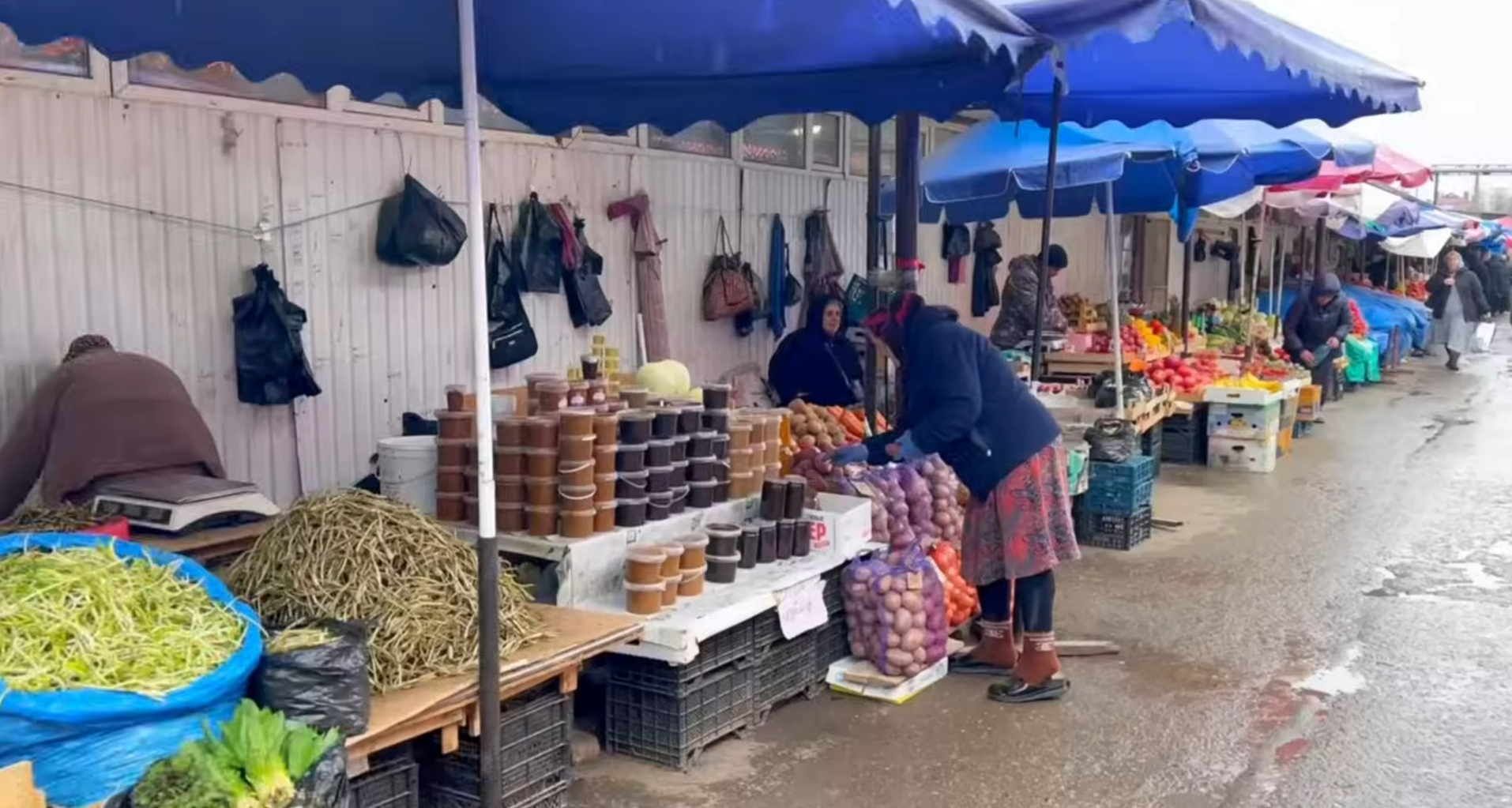
During raids against rising prices, Chechen authorities are pressuring retailers, even though producers and wholesalers are raising food prices. The ban on price increases is not accompanied by any compensation, Grozny entrepreneurs complained.
As reported by the "Caucasian Knot," food price increases, especially for meat, dairy products, and fruit, continue during Ramadan, despite official reports of raids on stores and markets and promises of harsh measures for price increases, according to Chechen residents. Economists emphasized that the large-scale price increases are not related to the VAT increase.
Reports from Chechen authorities on price controls have had virtually no impact on the situation in stores and markets. Low-income residents of Grozny, including pensioners and teachers, said they are struggling to find money for groceries at the start of Ramadan amid rising prices. Residents of rural areas have an easier time finding food, but prices for basic items in local stores have also increased.
Price checks on groceries during Ramadan are irritating some merchants, Grozny shopkeepers told a Caucasian Knot correspondent. For example, the owner and clerk of a grocery store in Grozny, Islam, believes that the checks primarily affect small traders and do not address the problem of rising procurement prices.
And yet, they themselves are doing nothing to actually help.
"The issue of price hikes and these checks seems very hypocritical and unpleasant." "They go around checking on small market stalls—grandmothers, people barely making ends meet. But they themselves do nothing to really help: they don't reduce taxes, they don't provide any concessions on utility bills for the month of Ramadan. Nothing of the sort is happening. Pressure is only being applied to small traders—they're simply trying to show off their religiosity," he expressed his opinion.
During Ramadan, Muslims are required to abstain from food and drink during daylight hours. The month of fasting ends with the holiday of Eid al-Fitr. This year, Ramadan began in Chechnya on February 18, and March 19-21 have been declared non-working days in the republic due to the holiday of Eid al-Fitr.
The entrepreneur noted that "prices are mainly raised by large wholesalers." "I had a case with dates. They sell out during Ramadan, and one large wholesaler tripled the price. He's a large supplier, but for some reason no one comes to him and asks questions. The pressure is on those to whom he sold the goods—that is, us, the retailers." "It turns out that it's those at the end of the chain who are being checked and punished," Islam lamented.
Pressure is primarily exerted on tenants, while owners of retail premises don't face such demands, shared Tamerlan, who owns a retail outlet at a market in Grozny.
They're putting pressure on us, small tenants, who are already barely making sales.
"It happens like this: some guy builds a big building, with the right connections and relatives, and then starts squeezing money out of tenants. But no one comes to the building owner and tells him to lower the rent for his tenants. Nothing like this has ever happened, in my experience. They're putting pressure on us, small tenants, who are already barely making sales, and we have to pay rent from that revenue. But what if they're forcing us to lower the price?" " he said.
The entrepreneur attributed the annual price hikes during the holidays to the actions of suppliers. "It depends on who imports the goods. I personally spoke with someone about nuts, dates, and sweets. I asked him why he raised the price. He raised it more than double for Ramadan. He simply said, 'Because the goods are selling.' He essentially has a monopoly. It's the first suppliers who import goods to Russia who raise prices. The rest of the sellers don't raise them specifically for Ramadan," the owner of the store is convinced.
According to him, retailers don't have such high markups that they can compensate for such price increases out of their own pockets.
"For example, on dates, my markup was about 10%. After the purchase price increase, it practically disappeared. At some point, the markup was only about 2%, and selling the goods became almost pointless. In most cases, we don't have such a markup that the supplier raises the price, and we can cover it with our profits. If the supplier raises the price by 8%, and your markup is only 10%, you either stop selling the product or raise the price too. There's no other choice. And the product still sells, the demand remains," Tamerlan said.
Inspections are often accompanied by demands to lower prices, despite the rising purchase price of goods, said Madina, an entrepreneur from Grozny.
It's easier for them to pressure sellers.
"Inspectors come to stores and demand lower prices, supposedly because of Ramadan. But how can you lower prices if we, the sellers, have to pay rent? If they demand lower prices, then let them lower all our expenses. Then it will be everyone's contribution to charity. There were cases when I was forced to sell essential goods at cost. "But if the authorities come with cameras and journalists and show us on television how good they are, why don't they take a step forward themselves—for example, by compensating us for part of our rent? It's easier for them to pressure sellers," she said indignantly.
According to Madina, the prices are mostly rising for essential goods: chicken, dates, rice, and sugar. "That is, the most basic products. They monitor them because they understand that they are in highest demand. Sometimes sweets also go up in price. But it's not ordinary sellers who raise prices—it's the manufacturer or large supplier that controls the market," the woman complained.
They can simply say, "Lower the price." And if you don't, they can close the store.
Inspectors who visit stores can even threaten to close, she noted. "They can simply say, 'Lower the price.'" "And if you don't do this, they can close the store and seal it. This practice exists," Madina said.
Raids on retail outlets have also begun in Makhachkala, another Chechen entrepreneur, who has a retail outlet in Dagestan, said on condition of anonymity.
"Similar inspections have begun in Makhachkala as well. Inspectors have started coming and entering stores. But the major suppliers, who effectively control the entire market in both Chechnya and Dagestan, are located there. Why not inspect them? But no – they're going back to regular stores," he said.
In his opinion, the price hike is related not only to increased demand during Ramadan but also to the situation in the Middle East. "The rise in prices is partly due to a shortage of Iranian products. Many drinks and sweets are imported from Iran. Due to the shortage, these products have begun to rise in price. Iranian goods occupy a large share of our market – these are drinks, sweets, and other products. I work in this industry and know that Iranian goods are imported en masse," the businessman said.
As a reminder, in 2025, authorities installed signs at the Berkat market in Grozny with fixed prices for the month of Ramadan, recommending that Grozny residents call a hotline if these prices were exceeded. Nevertheless, food prices in Chechnya increased ahead of Eid al-Fitr. On March 17, 2025, Ramzan Kadyrov ordered intensified raids, the confiscation of products with unjustified markups from sellers, and their distribution to those in need. Following this, the Grozny mayor's office reported raids on stores.
In 2025, the head of Chechnya threatened to confiscate food from residents shopping in other republics. These threats came amid an existing practice: previously, grocery purchases outside Chechnya before Eid al-Fitr had been confiscated. Chechen residents reported vehicle inspections at the border with Dagestan before Eid al-Fitr.
Translated automatically via OpenAI from https://www.kavkaz-uzel.eu/articles/421601

![Tumso Abdurakhmanov. Screenshot from video posted by Abu-Saddam Shishani [LIVE] http://www.youtube.com/watch?v=mIR3s7AB0Uw](/system/uploads/article_image/image/0001/18460/main_image_Tumso.jpg "Tumso Abdurakhmanov. Screenshot from video posted by Abu-Saddam Shishani [LIVE] http://www.youtube.com/watch?v=mIR3s7AB0Uw")