

A Chechen woman who fled to Georgia was buried after returning home.
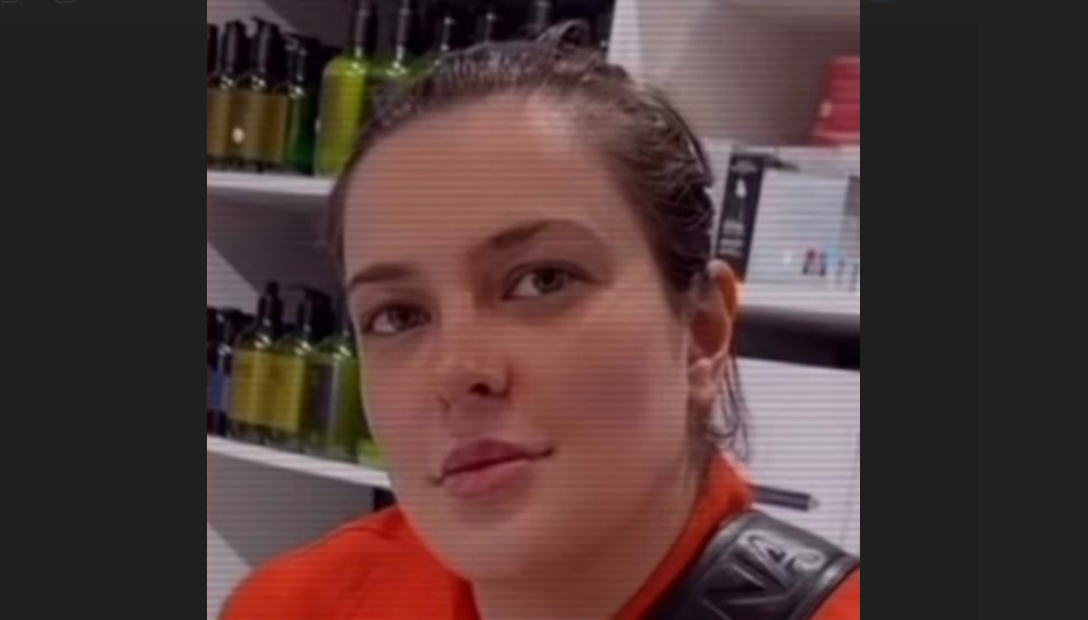
Aliya Ozdamirova, 33, who fled Chechnya due to threats from her family, was deceived or forcibly taken from Georgia to the republic on November 9. Her funeral took place on November 12. According to human rights activists, the girl's acquaintances believe she may have been the victim of an "honor killing."
As "Caucasian Knot" reported, female fugitives from the Caucasus find themselves in a vulnerable position in a foreign land due to intense nostalgia, which forces them to seek contact with people from the North Caucasus Federal District and creates the risk of exposing their hiding place.
Aliya Ozdamirova, 33, left Chechnya on October 20. Aliya had been in contact with human rights activists since 2023 and periodically disappeared, and only at the end of 2025 did she decide to leave. She claimed that information about her sexual orientation had become known to certain people, including her cousins, and that the threat was coming from them and her brother. Aliya fled to Istanbul, from where she traveled to Georgia, the SOS Crisis Group* reported, citing sources.
During questioning, it was revealed that Aliya's threats were also related to her business activities: her brothers had beaten her because her business partners owed money to investors and accused Aliya of stealing it. However, at the time of her escape, Aliya did not have this money.
Aliya comes from an influential and wealthy family: she was close to Kadyrov and the head of the Gudermes district. The family had good relations: Aliya was not subjected to domestic violence or restrictions from her parents. But in 2020, her father died, and the situation became more complicated, as no one could protect her from her brothers, who were also connected to Kadyrov and his circle.
In November, while Aliya was in Georgia, a "lawyer friend" contacted her. She informed her that a criminal case had been opened against her for "financing terrorism" and that she would now be unable to leave Georgia. Unable to find any open cases against Aliya in the databases, human rights activists decided it would be best for her to leave Georgia. On November 8, the girl was scheduled to fly from Tbilisi with a transfer to a safe country.
Aliya was in contact with her uncle in Baku, who confirmed the criminal case but stated that his acquaintance at the border would help arrange safe passage on November 10-11, so it would be better to postpone her flight. "From the outside, it looked like an attempt to stall for time, so human rights activists recommended that Aliya fly out on November 8, as she had planned, which she probably informed her uncle about. The girl was given clear instructions to try to board a plane; in case of failure or detention, a lawyer was ready to go to her. Aliya disappeared for an hour and a half, and when she got in touch, she reported that the same uncle from Baku was waiting for her at the Tbilisi airport. He again told her about the criminal case and the “flag”, which could now be removed the next day, Sunday, November 9.
Friends and acquaintances of the girl, as well as human rights activists from the SOS* Investigative Committee, believe that Aliya was the victim of an "honor killing." It is unclear whether her forced return and possible murder were related to her sexual orientation or to her family's disapproval of her business activities, the human rights activists emphasized.
Women whose behavior their relatives consider a disgrace to their family may become victims of "honor killings" in the Caucasus. These murders are committed by relatives themselves, most often a father or brother, according to the Caucasian Knot report "Honor Killings" in the North Caucasus." The problem of domestic violence in Chechnya, Ingushetia, and Dagestan affects women of all ages, but it is primarily young women under 30 who try to escape it, human rights activists from the Ad Rem team noted in 2023. The problem of evacuating victims of domestic violence is most acute in these regions, since authorities and security forces there side with domestic abusers. For victims of domestic violence, escape often becomes the only chance to save their lives.
Ayshat Baimuradova, a 23-year-old native of Chechnya, was found dead in a rented apartment in Yerevan on October 19. She fled to Armenia to escape domestic violence, but publicly criticized Kadyrov's regime. Karina Iminova, who had summoned Ayshat to a meeting, and 30-year-old native of Chechnya Said-Khamzat Baisarov were seen near the house where Baimuradova's body was found. Armenia must provide state protection to women who fled Chechnya and other North Caucasus regions, activists said at a picket in Yerevan.
According to human rights activists, Ayshat, a native of Chechnya, Baimuradova, who was found in Yerevan with signs of violent death, may have been the victim of a so-called "honor killing." Aishat Baimuradova fled Chechnya due to beatings and death threats from her husband's family. Due to the lack of a passport, the elections were limited to visa-free countries. The case of Baimuradova's death is being investigated as murder, but the results of the forensic examination are not yet known. Armenian investigative authorities have placed two defendants in the murder of Chechen native Aishat Baimuradova on the wanted list; they have been arrested in absentia.
We have updated the apps on Android and IOS! We would be grateful for criticism and ideas for development both in Google Play/App Store and on KU pages in social networks. Without installing a VPN, you can read us in Telegram (in Dagestan, Chechnya and Ingushetia - with VPN). Through VPN, you can continue reading "Caucasian Knot" on the website, as usual, and in social networks. href="https://www.facebook.com/kavkaz.uzel/?locale=ru_RU">Facebook**, Instagram**, "VKontakte", "Odnoklassniki" and X. You can watch the "Caucasian Knot" video on YouTube. Send messages to WhatsApp** to the number +49 157 72317856, on Telegram – the same number, or write to @Caucasian_Knot.
* listed as a foreign agent.
** Meta (owner of Facebook, Instagram, and WhatsApp) is banned in Russia.
Translated automatically via OpenAI from https://www.kavkaz-uzel.eu/articles/417148

![Tumso Abdurakhmanov. Screenshot from video posted by Abu-Saddam Shishani [LIVE] http://www.youtube.com/watch?v=mIR3s7AB0Uw](/system/uploads/article_image/image/0001/18460/main_image_Tumso.jpg "Tumso Abdurakhmanov. Screenshot from video posted by Abu-Saddam Shishani [LIVE] http://www.youtube.com/watch?v=mIR3s7AB0Uw")